Ross Mann Nursing Home and Medical Negligence Lawyers | May 15, 2026 | Personal Injury
Elder abuse is a serious problem that affects thousands of older adults every year. Abuse can happen in nursing homes, assisted living facilities, hospitals, or even in a person’s own home. In many cases, abuse goes unnoticed because older adults may feel afraid, embarrassed, or unable to speak up.
Understanding the risk factors for elder abuse can help families recognize warning signs and take steps to protect their loved ones. While abuse can happen to anyone, certain situations may increase the likelihood that an older adult will become a victim.
1. Social Isolation
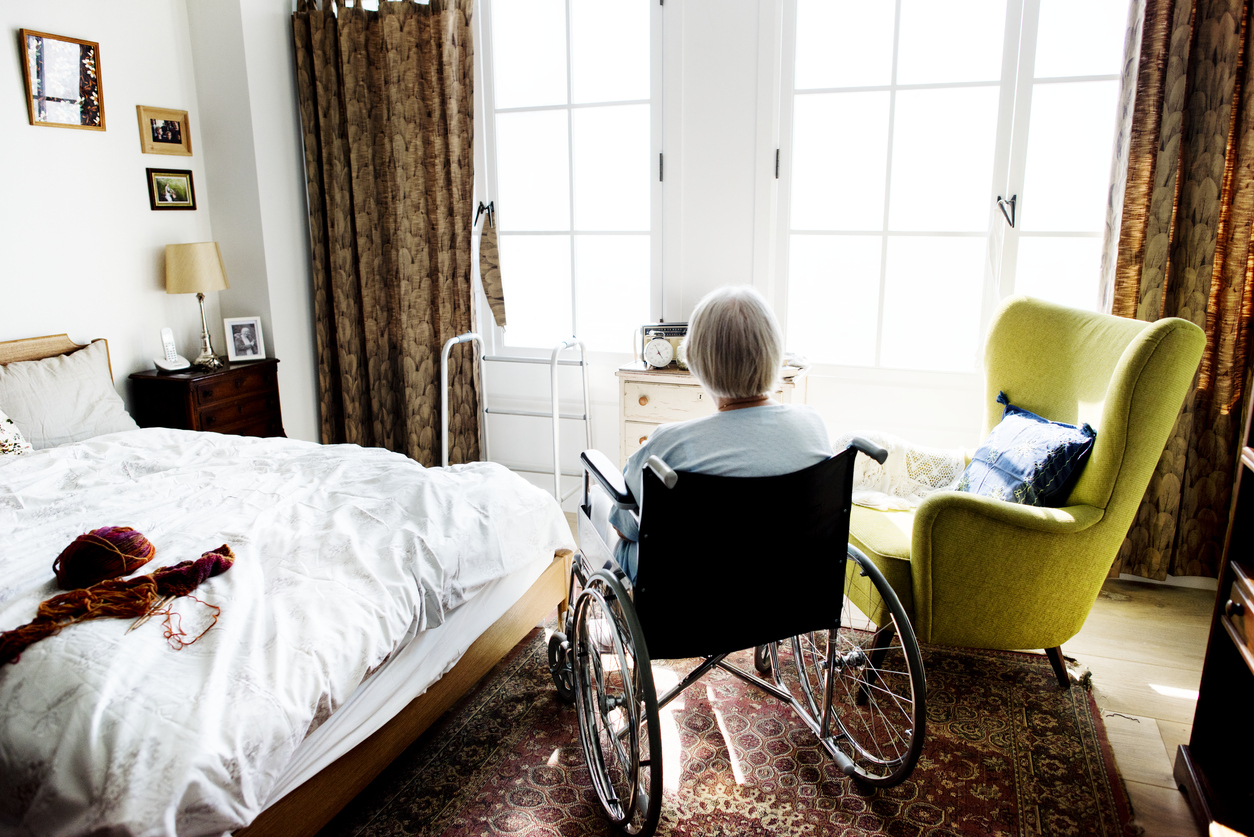
One of the biggest risk factors for elder abuse is social isolation. Seniors who live alone or have little contact with friends and family are often more vulnerable to mistreatment. When an older adult does not regularly interact with others, signs of abuse may go unnoticed for long periods of time.
Isolation can also make seniors more dependent on caregivers. A caregiver who knows no one is checking in may feel they can act without consequences. In nursing homes, residents who rarely receive visitors may also face a higher risk of neglect or abuse.
Family members can help reduce this risk by staying involved in their loved one’s life. Regular visits, phone calls, and video chats can help seniors feel supported and connected.
2. Cognitive Decline and Dementia
Older adults with dementia or other cognitive conditions are at a greater risk of abuse. Conditions such as Alzheimer’s disease can affect memory, communication, and judgment. This may make it difficult for victims to report abuse or explain what happened.
Some abusive caregivers may take advantage of confusion or memory loss. Financial exploitation is especially common in these situations. A caregiver may pressure a senior into changing financial documents, giving away money, or signing paperwork they do not understand.
Cognitive decline can also lead to frustration for untrained caregivers. In some cases, stress and lack of patience may result in verbal, emotional, or physical abuse.
Families should pay attention to sudden changes in mood, unexplained injuries, or unusual financial activity. These signs may indicate a problem that requires immediate attention.
3. Caregiver Stress
Caring for an elderly person can be physically and emotionally demanding. Many family caregivers balance work, parenting, and other responsibilities while also providing daily care for a loved one. Without support, caregiver stress can become overwhelming.
Stress does not excuse abusive behavior, but it can increase the risk of neglect or mistreatment. A caregiver who feels burned out may lose patience, ignore a senior’s needs, or act aggressively.
Warning signs of caregiver stress may include:
- Angry outbursts
- Increased frustration
- Withdrawal from friends or family
- Substance abuse
- Signs of depression or anxiety
Families should encourage caregivers to seek support when needed. Respite care, counseling, and community resources can help reduce stress and improve the quality of care.
4. Physical or Mental Disabilities
Seniors with physical disabilities or serious medical conditions may depend heavily on others for help with daily activities. Tasks such as bathing, dressing, cooking, and taking medication often require assistance from caregivers.
This dependence can create opportunities for abuse or neglect. A caregiver may withhold food, medication, or hygiene assistance as a form of control. In some cases, residents in nursing homes may suffer from poor supervision, dehydration, bedsores, or untreated medical conditions.
Families should watch for warning signs like poor hygiene, sudden weight loss, unexplained injuries, or emotional withdrawal.
5. Poor Nursing Home Staffing
Understaffing in nursing homes is another major risk factor for elder abuse and neglect. When facilities lack sufficient trained staff, residents may not receive proper care and attention.
Overworked staff members may struggle to respond quickly to residents’ needs. This can lead to preventable accidents, medication errors, falls, malnutrition, and poor hygiene. In severe cases, frustration and burnout among staff may contribute to abusive behavior.
Signs of understaffing in a nursing home may include:
- Long delays when residents ask for help
- Dirty rooms or unsanitary conditions
- Frequent falls or injuries
- Unexplained bruises
- Residents appearing dehydrated or malnourished
Families should research facilities carefully before placing a loved one in a nursing home. Regular visits and attention to conditions inside the facility can help identify problems early.
Contact the Lexington Personal Injury Lawyers at Ross Mann Nursing Home and Medical Negligence Lawyers for Help
Elder abuse can have devastating physical, emotional, and financial consequences for victims and their families. If you suspect that your loved one has suffered abuse or neglect in a nursing home or care facility, it is important to take action as soon as possible.
If you or a loved one were victims of nursing home negligence in Lexington, and need legal help, contact our personal injury attorneys at Ross Mann Nursing Home and Medical Negligence Lawyers, to schedule a free case review today.
We proudly serve Fayette County and the surrounding areas.
Ross Mann Nursing Home and Medical Negligence Lawyers – Lexington
501 Darby Creek Rd UNIT 48
Lexington, KY 40509
(859) 413-3900