


Eye procedures and vision-related treatment require precision, careful monitoring, and accurate diagnosis. When an ophthalmologist makes a preventable mistake in Lexington, Kentucky, the consequences can affect not only a person’s eyesight but also their ability to work, drive, read, and manage everyday tasks independently.
If you experienced worsening vision, surgical complications, or delayed treatment connected to an ophthalmologist’s care, contact our Ross Mann Nursing Home and Medical Negligence Lawyers at (859) 413-3900. Our Lexington ophthalmologist malpractice lawyers represent individuals and families dealing with the aftermath of serious medical errors involving eye care and ophthalmology treatment.
To make the legal process affordable, we offer free consultations for malpractice claims. We also handle these cases on a contingency fee basis, so you pay attorney fees only if our firm secures compensation for you.
How Can Ross Mann Nursing Home and Medical Negligence Lawyers Help After Ophthalmologist Malpractice in Lexington, Kentucky?
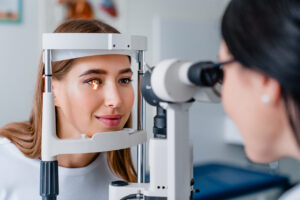
Ophthalmology malpractice cases often involve highly specialized medical issues related to vision testing, surgical procedures, medication management, or delayed diagnosis. The Lexington medical malpractice lawyers at Ross Mann Nursing Home and Medical Negligence Lawyers can examine whether the provider was negligent and whether earlier intervention could have changed the outcome.
In many vision-related malpractice cases in Lexington, KY, the records may show warning signs that a condition progressed without proper treatment or follow-up care. Surgical complications, diagnostic delays, or treatment errors can sometimes lead to permanent vision impairment that affects many parts of your life.
During the investigation process, our firm may:
- Review surgical records and ophthalmology treatment notes
- Analyze imaging results and diagnostic testing
- Consult independent ophthalmology experts
- Examine whether follow-up care occurred appropriately
- Identify delays in diagnosis or referral decisions
- Evaluate how the injury affected vision and daily function
These cases often require a close review of both the medical decisions made and the timeline in which symptoms, treatment, and complications developed. Reach out today to schedule a free consultation with a Lexington personal injury attorney.
What Is Ophthalmologist Malpractice?
Ophthalmologist malpractice can occur during diagnosis, surgery, medication management, or ongoing treatment. Common causes include:
- Errors during eye surgery procedures
- Failure to diagnose serious eye conditions
- Delayed treatment for retinal problems or glaucoma
- Improper medication prescriptions
- Surgical infections or post-operative complications
- Failure to monitor worsening symptoms
Vision-related conditions often depend on timely treatment, making delays and mistakes particularly serious. During our investigation, we will go through the treatment thoroughly to identify exactly what happened.
What Injuries Commonly Occur in Ophthalmologist Malpractice Cases?
Mistakes involving eye care and ophthalmology treatment can lead to lasting physical and visual complications. Common injuries include:
- Partial or complete vision loss
- Retinal damage
- Nerve injuries affecting eyesight
- Chronic eye pain
- Double vision or blurred vision
- Permanent visual impairment
Some people must adjust to major lifestyle changes after losing visual function, including employment, mobility, transportation, and personal independence. No matter your injuries, our lawyers have the skill and experience to take on your case.
What Compensation Is Available to Me?
Vision-related medical errors can create both immediate and long-term consequences. Compensation in an ophthalmologist malpractice case may include:
- Costs of corrective medical treatment
- Future vision-related care expenses
- Lost wages and reduced earning ability
- Rehabilitation or adaptive assistance needs
- Physical pain and discomfort
- Emotional distress connected to vision loss
In serious cases, compensation may also reflect the long-term impact that reduced eyesight or blindness has on independence and future daily functioning. You should not be responsible for the cost of your recovery.
How Long Do I Have To File a Lawsuit?
Kentucky law places time limits on filing medical malpractice claims, and the filing deadline may depend on when the injury was discovered or reasonably should have been discovered. Under state law, most medical malpractice claims must be brought within one year of discovery of the injury.
Ophthalmology malpractice cases may also require reviewing detailed medical records, surgical timelines, and diagnostic history to determine when the problem first became identifiable. Prompt review of the case can help preserve evidence and clarify how Kentucky’s filing rules apply.
In some situations, progressive vision loss may not immediately reveal the underlying medical error, making the timing of discovery an important issue in the case.
Speak With an Ophthalmologist Malpractice Lawyer in Lexington, Kentucky
Vision loss and serious eye injuries can change how a person works, communicates, and moves through everyday life. Ross Mann Nursing Home and Medical Negligence Lawyers represents individuals in Lexington, KY, who are seeking answers after suspected ophthalmology malpractice and want to better understand their legal options.
During your consultation with a Lexington ophthalmologist malpractice attorney, we can discuss the treatment you received, review concerns about the medical care involved, and explain how ophthalmologist malpractice claims are typically evaluated. If you or a loved one suffered harm because of an ophthalmologist’s malpractice, contact the firm today to learn more about your legal options.