
Ross Mann Nursing Home and Medical Negligence Lawyers | March 24, 2026 | Nursing Home Abuse
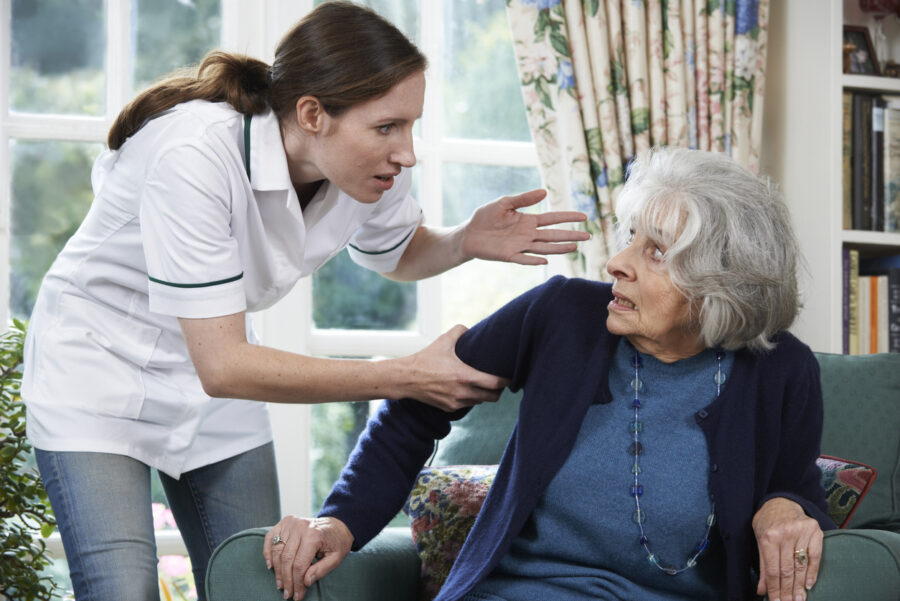
Patient neglect in nursing homes is a serious and often underreported issue that can have devastating consequences for vulnerable residents. At its core, neglect occurs when a facility fails to provide the basic care and attention necessary to maintain a resident’s health, safety, and dignity. This failure may be intentional or unintentional, but the results can include physical harm, emotional distress, and even death.
Understanding the common examples of nursing home neglect is essential for families who want to protect their loved ones and recognize warning signs of nursing home abuse early.
Failure to Provide Basic Needs
One of the most common examples of patient neglect is the failure to meet a resident’s basic daily needs. Nursing homes are responsible for ensuring residents receive adequate food, water, and a clean living environment. When staff members fail to provide proper nutrition or hydration, residents may suffer from malnutrition or dehydration, which can quickly become life-threatening.
Poor Personal Hygiene Care
Maintaining personal hygiene is critical for both physical health and emotional well-being. Nursing home staff are expected to assist residents with bathing, grooming, oral care, and toileting when necessary.
When this care is neglected, residents may develop skin infections, unpleasant odors, and a decline in self-esteem. Failing to regularly change clothing or bedding can also contribute to the development of pressure ulcers, commonly known as bedsores.
Untreated Medical Needs
Another serious form of neglect involves failing to address a resident’s medical conditions. This can include ignoring symptoms, delaying treatment, or failing to contact a physician when needed.
For example, a resident with an infection or injury may be left untreated, allowing the condition to worsen significantly. Bedsores, which are often preventable with proper care, are a common indicator of medical neglect.
Lack of Mobility Assistance
Many nursing home residents require help moving, whether it’s getting out of bed, walking, or repositioning themselves. When staff fail to provide this assistance, residents are at risk of falls, injuries, and long-term complications.
For instance, leaving a resident unattended during activities like bathing can result in serious accidents. In some reported cases, individuals have suffered severe injuries after falls due to inadequate supervision.
Additionally, failing to reposition immobile residents regularly can lead to painful pressure ulcers and circulation problems.
Emotional and Social Neglect
Neglect is not limited to physical care; it can also involve emotional and social well-being. Residents in nursing homes often rely on staff for companionship and engagement, especially if they have limited contact with family members.
Emotional neglect may include isolating residents, ignoring their requests for interaction, or failing to provide opportunities for social activities. Over time, this can lead to depression, anxiety, and a decline in cognitive health.
Medication Errors and Mismanagement
Proper medication management is a critical responsibility in any healthcare setting. Neglect can occur when staff fail to administer medications correctly, provide the wrong dosage, or skip doses altogether.
These errors can have serious consequences, particularly for residents with chronic conditions or complex medical needs. Inadequate medication management may lead to worsening health conditions, hospitalizations, or even death.
Unsafe or Unsanitary Living Conditions
A nursing home must provide a safe and clean environment for its residents. Neglect can occur when facilities fail to maintain proper sanitation, repair hazards, or ensure adequate supervision.
Unsanitary conditions can contribute to the spread of infections, while safety hazards—such as broken equipment or lack of proper monitoring—can increase the risk of accidents.
In some cases, understaffing plays a major role in these issues, as overworked employees may struggle to keep up with essential tasks and responsibilities.
Failure to Respond to Emergencies
Timely responses to emergencies are critical in nursing homes, where residents may have urgent medical needs. Neglect can occur when staff fail to respond to call buttons, ignore signs of distress, or delay emergency care.
Even a short delay in treatment can have severe consequences, particularly for conditions like heart attacks, strokes, or respiratory issues.
Contact the Lexington Nursing Home Abuse Attorneys at Ross Mann Nursing Home and Medical Negligence Lawyers for Help
Patient neglect in nursing homes can take many forms, from failing to provide basic necessities to ignoring serious medical needs. Recognizing these examples is the first step toward protecting vulnerable individuals and holding negligent facilities accountable.
If you suspect that a loved one has been harmed due to nursing home neglect, seeking legal guidance is an important step. Ross Mann Nursing Home and Medical Negligence Lawyers can help families understand their rights and pursue justice when a facility fails to provide the level of care every resident deserves. Contact us today for a free consultation with a Lexington nursing home abuse lawyer.
We proudly serve Fayette County and the surrounding areas.
Ross Mann Nursing Home and Medical Negligence Lawyers – Lexington
501 Darby Creek Rd UNIT 48
Lexington, KY 40509
(859) 413-3900