


An anesthesia injury can turn a routine medical procedure into a life-altering event. Patients in Lexington, Kentucky, trust medical professionals to administer anesthesia safely and monitor them closely before, during, and after surgery. When anesthesia errors occur, the consequences can be catastrophic and long-lasting.
This resource explains what anesthesia injuries are, how they happen, and what options may be available to injured patients.
Overview of Anesthesia Injuries
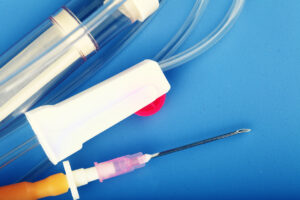
An anesthesia injury refers specifically to harm caused by errors in anesthesia selection, dosage, administration, or monitoring, rather than general surgical mistakes. These injuries often involve oxygen deprivation, medication reactions, or failures to respond to rapidly changing vital signs.
An anesthesia injury occurs when a patient is harmed due to mistakes made during the administration of anesthesia or while monitoring a patient’s vital signs. These injuries can happen in hospitals, surgical centers, dental offices, or during outpatient procedures. Errors may involve the wrong dosage, improper administration, delayed response to complications, or failure to review a patient’s medical history.
Anesthesia is generally safe when used correctly, but it carries inherent risks. When providers fail to meet accepted standards of care, those risks increase significantly.
Types of Anesthesia
Anesthesia injuries may involve different forms of anesthesia, including:
- General anesthesia, which renders a patient unconscious
- Regional anesthesia, such as spinal or epidural blocks
- Local anesthesia, which numbs a specific area of the body
- Sedation anesthesia, often used for minor or diagnostic procedures
Each type requires careful dosing and monitoring to prevent complications.
What Injuries Can Result From Negligent Administration of Anesthesia?
The range of harm resulting from anesthesia errors is broad, often falling into categories like:
- Neurological injuries, such as stroke or permanent brain damage from oxygen deprivation.
- Physical anesthesia injuries, including nerve damage from improper positioning or localized anesthetic injection errors, can often lead to chronic pain or paralysis.
- Systemic complications, like malignant hyperthermia, anaphylactic shock, or cardiac arrest, can occur due to adverse medication reactions or dosage mistakes.
These injuries, regardless of type, can necessitate extensive medical treatment and lifelong care.
How Do Anesthesia Injuries Occur?
Most anesthesia injuries stem from breakdowns in safety protocols rather than unavoidable medical risks. Modern anesthesia relies on continuous monitoring and precise coordination, and injuries typically occur when those safeguards fail.
Serious anesthesia-related injuries are relatively rare, but when they do occur, the outcomes can be devastating. Studies show that most anesthesia injuries are preventable and result from human error, communication breakdowns, or inadequate monitoring. Even a brief lapse in oxygen delivery or blood pressure control can lead to permanent harm.
Signs and Symptoms of Anesthesia Injuries
Symptoms of an anesthesia injury may appear immediately or develop over time.
Common warning signs include:
- Brain injury symptoms, such as confusion, memory loss, or cognitive impairment
- Difficulty breathing or respiratory distress
- Severe headaches or seizures
- Nerve damage causing numbness, weakness, or paralysis
- Cardiac complications, including irregular heartbeat or cardiac arrest
Patients should seek medical attention immediately if they experience unexpected symptoms after a procedure involving anesthesia.
Long-Term Consequences of Anesthesia Injuries
The long-term effects of an anesthesia injury depend on the severity of the error and how quickly it was addressed. Some patients recover fully, while others face permanent disabilities. Long-term consequences may include traumatic brain injuries (TBIs), chronic pain, mobility limitations, or the need for ongoing medical care and rehabilitation.
In the most serious cases, anesthesia errors can result in coma or wrongful death, leaving families to cope with emotional and financial losses.
Common Medical Errors That Lead to Anesthesia Injuries
Anesthesia injuries often stem from preventable mistakes.
Common causes include:
- Administering too much or too little anesthesia
- Failing to monitor oxygen levels, heart rate, or blood pressure
- Ignoring known allergies or medication interactions
- Improper intubation or airway management
- Delayed response to signs of distress
These errors may be linked to factors such as fatigue, understaffing, poor communication, or inadequate training. In some cases, multiple medical professionals may share responsibility.
Why Anesthesia Injuries Are Often Medically and Legally Complex
The value of an anesthesia injury claim depends on several factors. Each case is unique, and compensation is based on how the injury has affected the patient’s life.
Key factors include:
- The severity and permanence of the injury
- Medical expenses, both current and future
- Lost income or reduced earning capacity
- Pain, suffering, and emotional distress
- The strength of the evidence showing medical negligence
A thorough investigation is often required to determine whether the standard of care was violated and how the injury could have been prevented.
Contact a Lexington Anesthesia Error Lawyer From Ross Mann Nursing Home and Medical Negligence Lawyers Today to Schedule a Free Consultation
If you or a loved one suffered harm due to an anesthesia error in Lexington, you may have questions about your rights and options. Ross Mann Nursing Home and Medical Negligence Lawyers represent injury victims throughout Kentucky and understand the complexities of medical malpractice cases.
Our attorneys have decades of combined experience and have recovered more than $150 million in compensation for accident victims. We are committed to helping clients understand their options and pursue accountability when medical negligence causes serious harm.
To learn more, contact our Lexington anesthesia error attorneys or call (859) 413-3900 to schedule a free consultation and discuss your anesthesia injury case.